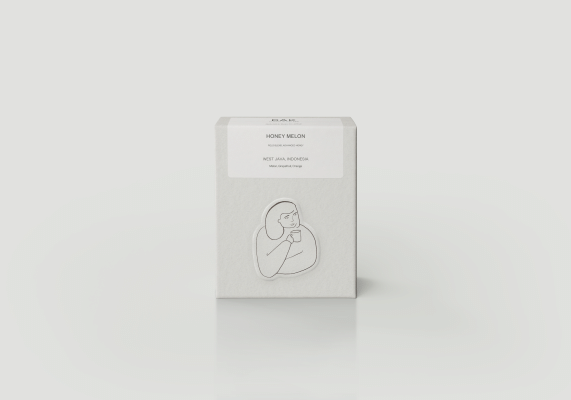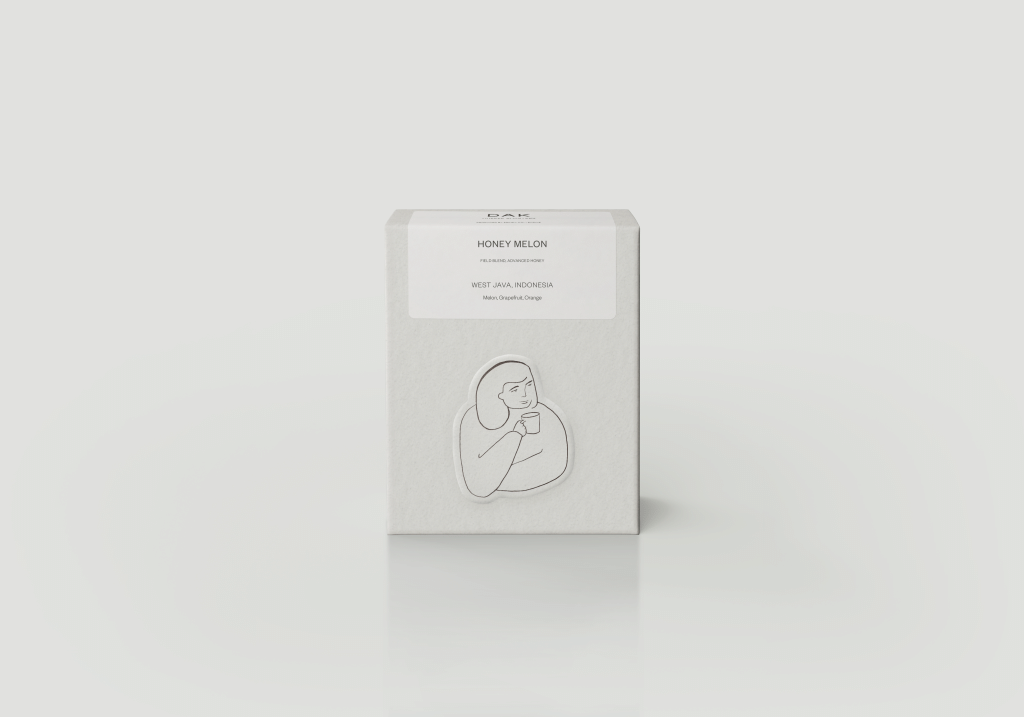
Honey Melon
NewBrightJuicy
Honey Melon is our latest Indonesian coffee from Frinsa Collective in West Java, produced by a community of smallholder farmers working with Wildan Mustofa and Atieq Mustikaningtyas. This lot undergoes a honey-lactic process, with a controlled fermentation using Lactobacillus. The cup is fruity and sweet, with notes of melon, grapefruit and orange, bringing together a nice balance of sweetness and citrus acidity.
Origin Indonesia
Region West Java
Producer / Farm Produced by Frinsa Collective, Frinsa Estate
Harvest 2026
Tasting notes Melon, Grapefruit, Orange
Altitude 1400masl
Varietal Field Blend
Process Advanced Honey
Intervention Level Medium
For important shipping information, please visit our Shipping & Returns page for detailed information and policies.
From Origin to Cup
Honey Melon comes from Frinsa Collective in West Java, where selected smallholder farmers grow coffee between 1,300 and 1,500 masl. The cherries are brought to Frinsa Estate, where Wildan and Atieq oversee the processing. This particular lot undergoes a honey-lactic process, combining a short fermentation with Lactobacillus and drying with the mucilage still attached to the parchment. The result is a fruity coffee with plenty of sweetness and a fresh citrus character.

Origin
Frinsa Estate was established in 2010 by Wildan Mustofa and his wife, Atieq Mustikaningtyas, in the Sindangkerta area of West Java. At a time when wet-hulled processing was the standard across much of Indonesia, they decided to focus on fully washed coffees and explore different fermentation methods. Alongside the coffees grown on their own land, they work with selected smallholder farmers in the surrounding area through Frinsa Collective. All cherries are processed at their estate, where they manage everything from fermentation and drying to milling and sorting. Their work has also contributed to local initiatives around water conservation and reforestation.
Varietal
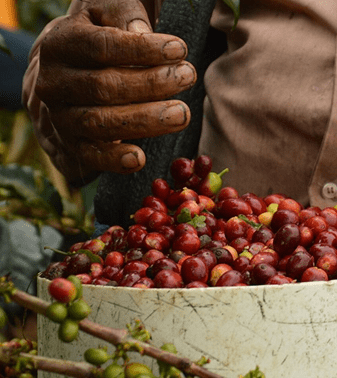
This lot is made up of several varieties grown by smallholder farmers around Frinsa Estate, including Timor (Borbor and Timtim), Venecia, Sigarar Utang, Ateng and Andungsari. These varieties are grown across different plots in West Java and brought together as a collective lot rather than separated by individual farm or variety.
Processing
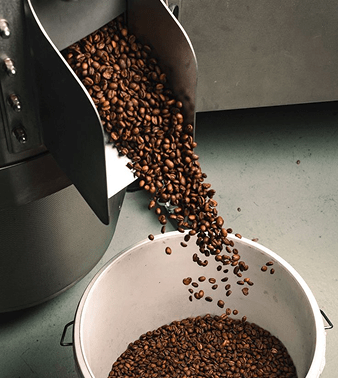
The cherries are hand-sorted at Frinsa Estate to remove unripe or defective fruit before undergoing a two to three-day fermentation in tanks with Lactobacillus, a type of lactic acid bacteria. After fermentation, the cherries are pulped, leaving some of the sticky mucilage attached to the parchment. The coffee is then spread on tarpaulins to dry, following a honey process. This combination of controlled fermentation and drying with the mucilage intact is intended to develop sweetness and complexity while maintaining a clean cup.
Intervention level
Medium. This coffee undergoes a controlled fermentation with Lactobacillus for two to three days before being pulped and dried as a honey process. The added bacteria help guide fermentation and influence the coffee's flavour development, while the remaining mucilage contributes to its sweetness and body. The process introduces an additional level of control without relying on added flavouring ingredients.