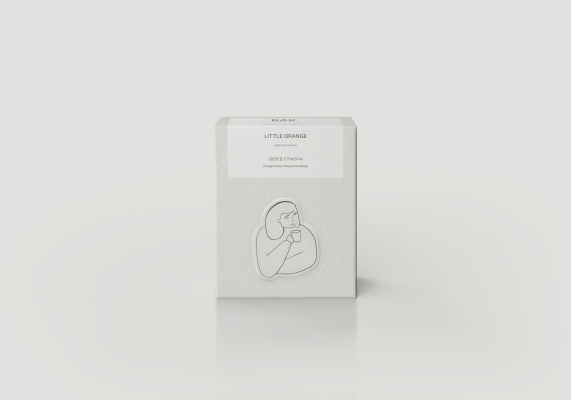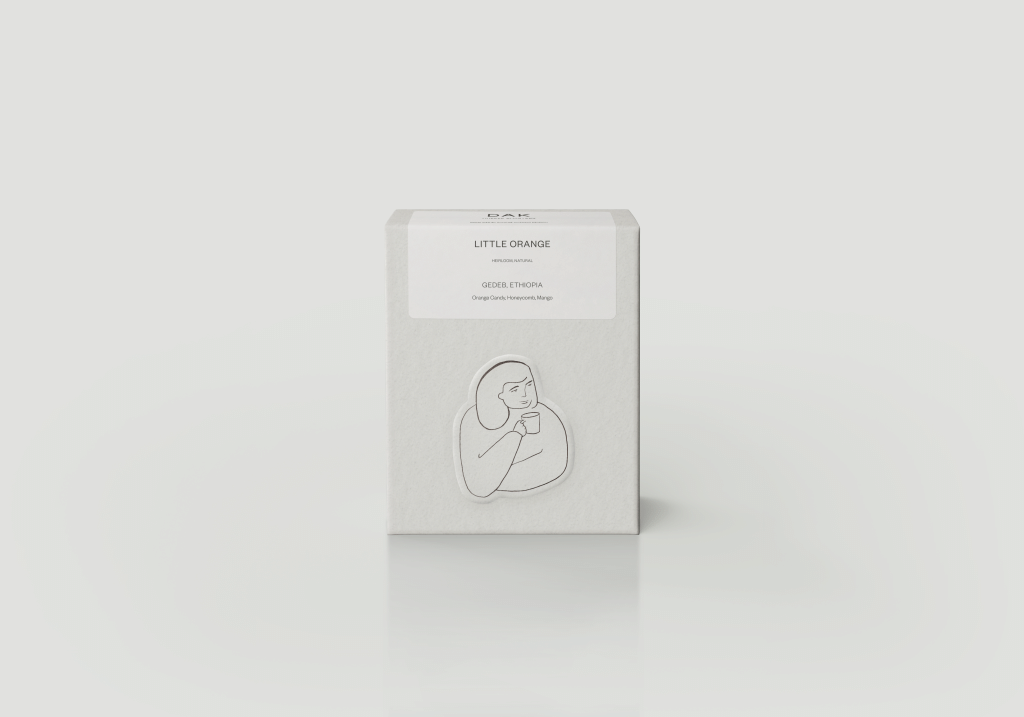
Little Orange

New

Our latest Ethiopian from Danche in Gedeo is a natural, and a particularly fun one! We taste orange candy, honeycomb & mango in a bright, juicy cup with that clean finish we love from Ethiopian coffees. Delicate on filter, and our favourite at the last cupping.


Origin Ethiopia
Region Gedeb
Producer / Farm Produced by SNAP, Danche Washing Station
Tasting notes Orange Candy, Honeycomb, Mango
Altitude 2200masl
Varietal Heirloom
Process Natural

Weight
Roast Profile

All coffees are sold as whole beans. Filter and Espresso refer to roast profile.

For important shipping information, please visit our Shipping & Returns page for detailed information and policies.

From Origin to Cup

Danche Washing Station is run by SNAP Coffee, one of our long-standing sourcing partners, and takes in cherries from roughly 400 smallholders whose farms sit at 2,000 to 2,300 masl. Fertile soils and good farming practices add to the quality of those cherries. It's high and cool up there. The coffee matures slowly, and harvest comes later in the season than in other Ethiopian regions. For Little Orange we chose a lot that's extra sweet and fruity.

Origin

Danche Washing Station is in Chelbesa (Gedeb), in Ethiopia's Gedeo Zone, where most of the smallholders who supply it farm one to two hectares each.
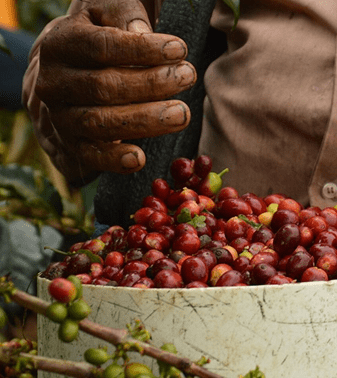
Varietal

Heirloom (Ethiopian landraces), the catch-all name for the mix of local varieties farmed across the region, genetically very diverse and known for floral, citrus and fruity flavours. In Little Orange we taste the citrus and fruit side, orange candy and mango.
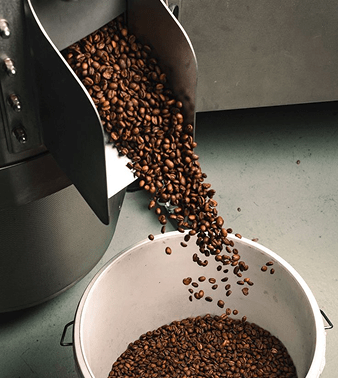
Processing

Natural. The ripe cherries are floated first to pull out any defects, then dried whole on raised African beds for about two to three weeks. What ends up in the cup is full of character.
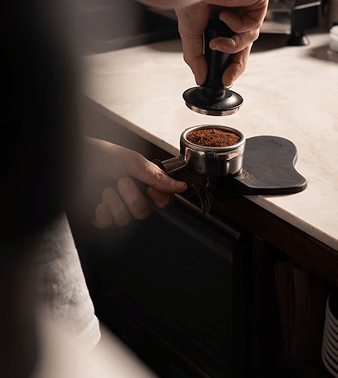
Intervention level

Low. Danche sticks to traditional natural and washed processing, with no reported addition of fruit or flavourings. The focus is on careful cherry selection and controlled drying.
Orange Candy
Honeycomb
Mango

Explore more coffees

Ethiopia, Heirloom, Natural
Orange Candy, Honeycomb, Mango

Choco Nuts

$19,26
Brazil, Yellow Catucaí, Anaerobic Natural
Hazelnut, Milk Chocolate, Vanilla

Pillow Talk

$22,93
Colombia, Caturra, Decaf
Raspberry, Rosemary, Honey

Peachy Daze

$25,68
Ethiopia, Heirloom, Washed
Elderflower, Lemon, White Peach, Black Tea
Ethiopia, Heirloom, Natural
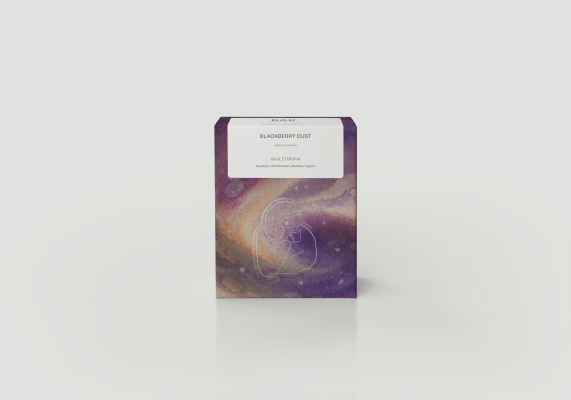
Blackberry, Wild Strawberry, Blueberry Yoghurt

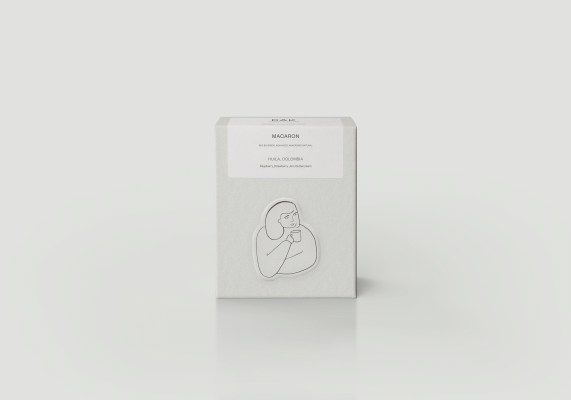
Macaron

$28,43
Colombia, Red Bourbon, Advanced Anaerobic Natural
Buttercream, Raspberry, Strawberry Jam
Colombia, Bourbon, Co-Fermented Washed
Cinnamon, Fresh Fir, Cardamom

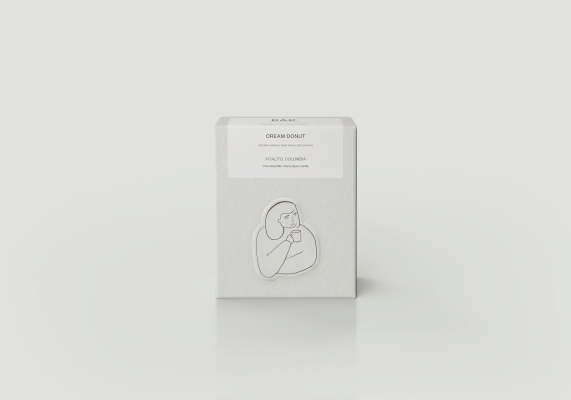
Cream Donut

$22,93
Colombia, Caturra Chiroso, Yeast Inoculated Natural
Cherry Filled Doughnut, Chocolate Milk, Vanilla

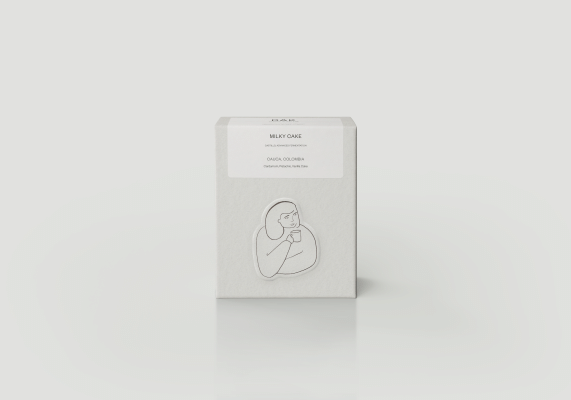
Milky Cake

$22,93
Colombia, Castillo, Advanced Fermentation
Cardamom, Pistachio, Vanilla Cake

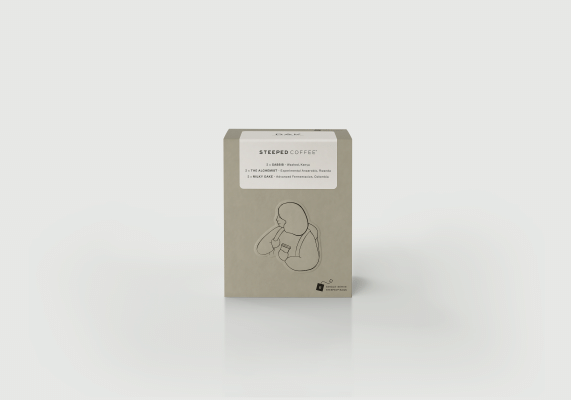
Steeped

$15,59
Colombia, Kenya, Rwanda, Mixed
Various

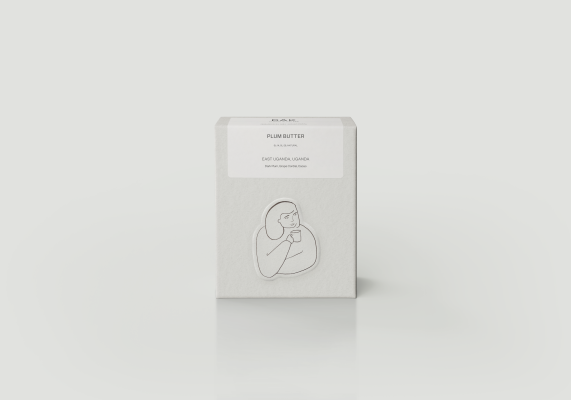
Plum Butter

$17,42
Uganda, SL-14, SL-28, Natural
Cacao, Dark Plum, Grape Cordial

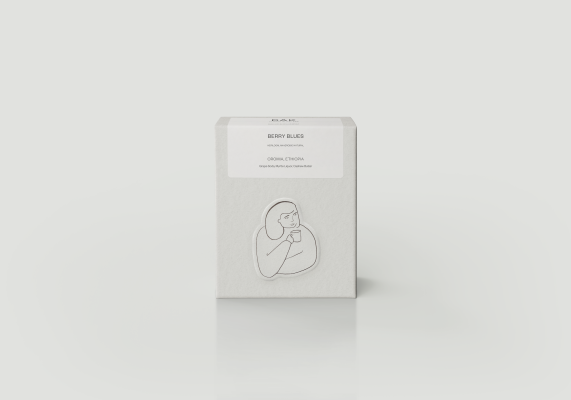
Berry Blues

$26,60
Ethiopia, Heirloom, Anaerobic Natural
Cashew Butter, Grape Soda, Myrtle Liquor
Previous slide
Next slide

THE DAK BREW GUIDE

These are the recipes we use every day at the roastery and showroom. We keep them simple on purpose: water, ratio, grind size. The coffee does most of the work when the basics are right. Every setup is different, so treat these as a starting point. Adjust based on what you're tasting and what your equipment gives you.

General

For most grinders and most bars. Balanced, works black and with milk.

• Ratio: 1:2.5
• Dose: 18 g
• Yield: 45 g
• Brew time: 25 seconds
• Pressure: 9 bars
• Temperature: 93°C

For our roast level 1:2.5 ratio fully extracts, balances and opens the cup without thinning it compared to the classic 1:2.

Modern

Longer ratio, lower pressure, shorter contact. More clarity and acidity.

• Ratio: 1:3
• Dose: 18 g
• Yield: 54 g
• Brew time: 20 seconds
• Pressure: 6 bars
• Temperature: 93°C

A note on equipment: 1:3 relies on a flat burr set capable of a very even grind.
On an E65, E80 or Mythos this ratio often tastes watery. If that happens, pull back to 1:2.5.

Advanced (pressure profiled)
For machines with flow or pressure control. This is the showroom recipe.

• Ratio: 1:3
• Dose: 18 g
• Yield: 54 g
• Total brew time: 30 seconds to 1:00 total
• Pre-infusion at 2 bars (about 1 to 2 g/sec flow rate) until 1g in the cup, 15 to 30 seconds
• Main extraction: 6 bars until 18g yield. (about 5 to 6 g/sec flow rate)
• Post-infusion: 2 bars (about 1 to 2 g/sec flow rate) until 54g final yield
• Temperature 93°C

• Ratio: 1:15
• Dose: 16.5 g
• Water: 250 g
• Brew time: 2:00 minutes to 2:30 minutes
• Temperature: 92°C

Poring structure

Start your timer with the first pour. The weights below are the total water added.

• 0:00 pour to 50g (8 g/sec, medium)
• 0:30 pour to 120g (8 g/sec, medium)
• 1:00 pour to 190g (3 g/sec, very low)
• 1:30 pour to 250g (3 g/sec, very low)

Pouring very slowly keeps the bed open. Let the water draw down to finish the brew.

Water is 98% of your cup, so it changes everything. Mineral content varies between cities, neighbourhoods, and even seasons depending on which reservoir is supplying the tap. If your water is hard (above 150ppm), switch to a soft bottled water around 50ppm. Too soft is always better than too hard. The difference in the cup is immediate.

Ethiopian coffees
Ethiopian beans are more brittle and produce more fines when grinding. Too much agitation during brewing pushes those fines into the filter and slows everything down. Keep agitation low. If the cup still tastes over-extracted or the drawdown stalls, grind coarser and extend the ratio or brew time slightly to compensate.

The look of a shot
Naked portafilters show you what’s happening, but what you see has no reliable connection to what you’ll taste. A messy-looking shot can taste clean, and a photogenic one can taste flat. Taste every shot, even the ones outside your parameters, and adjust from there.

Crema
Crema is gas escaping coffee under pressure. It carries very few desirable flavour compounds and can actually taste harsh. Removing it will almost always improve the cup. With light roast espresso especially, ignore the crema and focus on what’s in the liquid.

Freezing coffee
Freezing keeps coffee at peak flavour, but roasted coffee can’t be thawed and refrozen without losing quality. Vacuum-seal in single doses before freezing. When you’re ready to brew, grind it frozen. Don’t let it thaw first. Every grinder handles frozen beans without issue, and the results are often better. One dose out, the rest stays sealed.

Long ratio (for harder extraction)
For when extraction is more difficult: hard or heavily filtered water, a grinder past its best, or a dense lot.

1:18 ratio. 14g in, 250g out. 2:30 to 3:00. 97°C.
• 0:00 pour to 45g
• 0:30 pour to 90g
• 1:00 pour to 250g

1:20 ratio. 12.5g in, 250g out. 2:15 to 2:45. 97°C.
• 0:00 pour to 40g
• 0:30 pour to 80g
• 1:00 pour to 250g

Adjusting

• If the cup tastes thin, dry or harsh: raise the dose. Move from 15g to 16 or 16.5g at the same 250g yield.
• If espresso tastes watery at 1:3: shorten to 1:2.5 before touching the grind.
• Water: very low or very high TDS shifts everything. Check the water before changing the recipe. If the water cannot be changed, go to the long ratio recipes.