Poppy Soda

Dak's FavouriteBrightClean

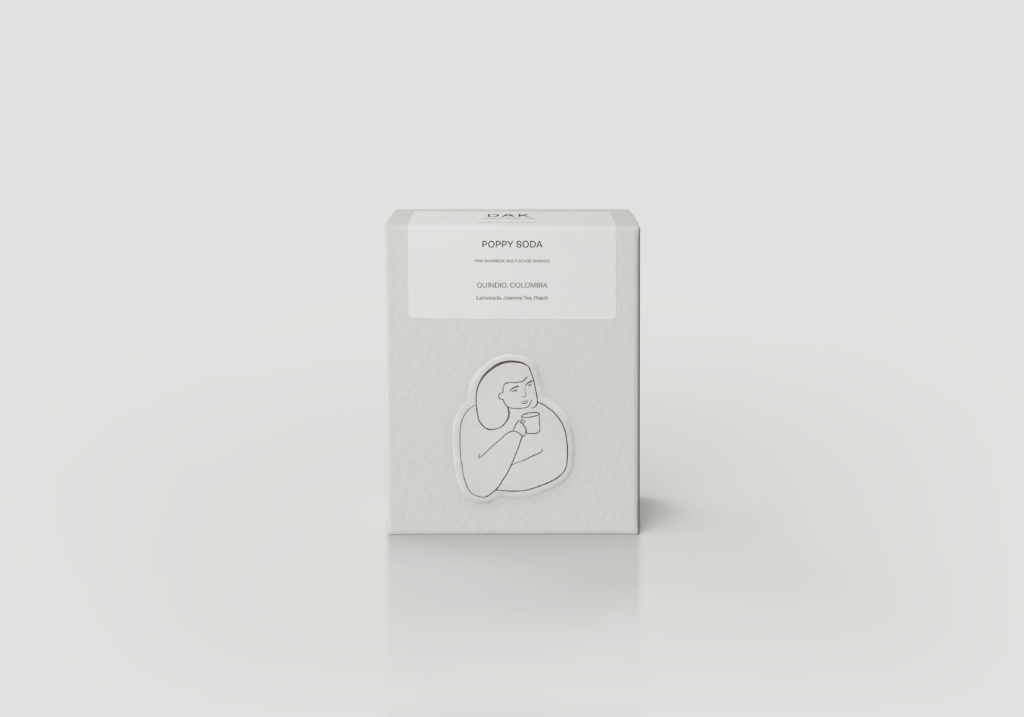
Poppy Soda is a Pink Bourbon from Sebastián Ramírez at El Placer in Quindío, Colombia. It goes through a pretty elaborate washed process, but the cup itself is all about clarity. Lemonade, jasmine tea and ripe peach, with a bright, almost soda-like quality that makes the name make sense.


Origin Colombia
Region Quindío
Producer / Farm Produced by Sebastián Ramírez, El Placer
Harvest 2026
Tasting notes Jasmine Tea, Lemonade, Peach
Altitude 1650-2000masl
Varietal Pink Bourbon
Process Multi Stage Washed
Intervention Level Medium

Weight
Roast Profile

FROM ORIGIN TO CUP

Sebastián Ramírez is a fourth-generation coffee producer at El Placer in Calarcá, Quindío. Poppy Soda is his Pink Bourbon, grown between 1650 and 2000 masl and taken through a multi-stage washed process involving anaerobic fermentation, immersion and two stages of controlled drying. There’s a lot happening in the processing, but the cup is remarkably clean: lemonade and jasmine tea up front, with ripe peach underneath.

Origin

El Placer is a 14-hectare farm in Calarcá, Quindío, run by fourth-generation producer Sebastián Ramírez. The coffee grows between 1650 and 2000 masl under native shade trees. Sebastián took over his family farm after leaving his law studies and gradually shifted part of its production towards specialty coffee.
Varietal

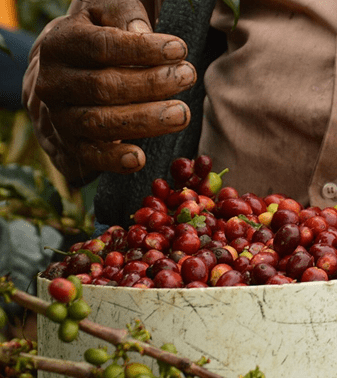
Pink Bourbon, named for the pink colour of its ripe cherries. It’s one of several specialty varieties Sebastián grows at El Placer. In Poppy Soda, we find a delicate, bright expression with lemonade, jasmine tea and ripe peach.
Processing

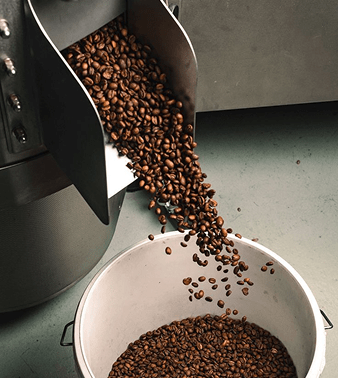
The cherries first ferment anaerobically for 48 hours at 18°C with CO₂, followed by another 48 hours immersed in water with an oxygen pump. They are then pulped and washed before going through two controlled drying phases, first under canopy and then in a parabolic dryer.
Intervention level

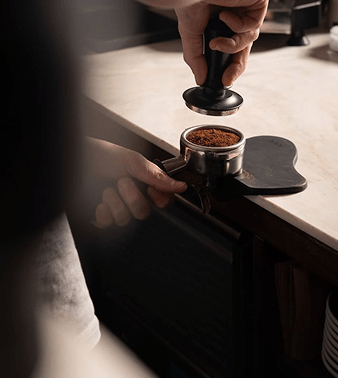
Medium. There are several controlled stages here, including anaerobic fermentation, water immersion and two phases of drying. It’s more involved than a traditional washed process, but without added ingredients or co-fermentation.

Jasmine Tea
Peach

Explore more coffees

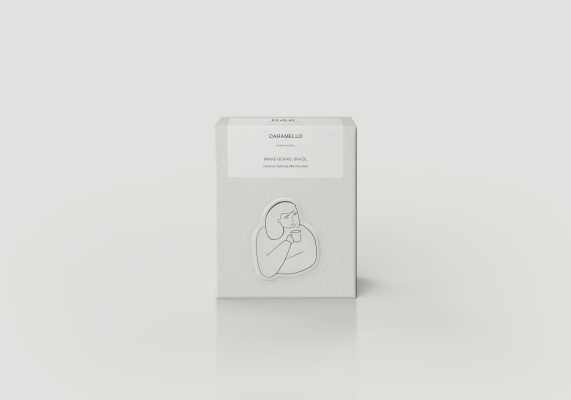
Caramello

€17,80
Brazil, Yellow Catuai, Natural
Caramel, Hazelnut, Milk Chocolate

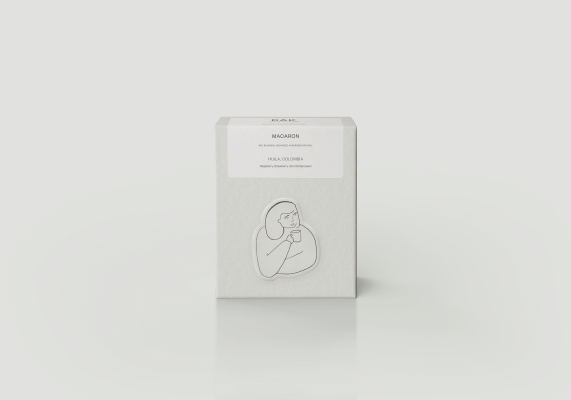
Macaron

€26,90
Colombia, Red Bourbon, Advanced Anaerobic Natural
Buttercream, Raspberry, Strawberry Jam

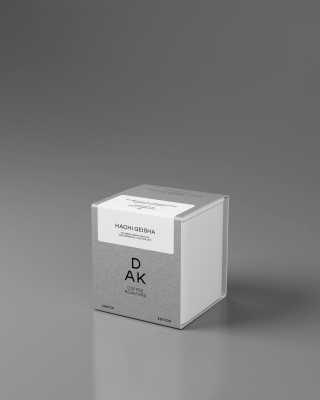
Hachi Geisha

€29,90
Colombia, Geisha, Washed
Lemon, Honey, Jasmine Tea

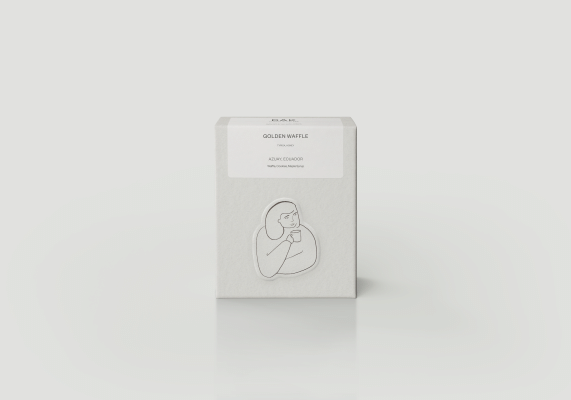
Golden Waffle

€19,95
Ecuador, Typica, Honey
Waffle, Cookies, Maple Syrup

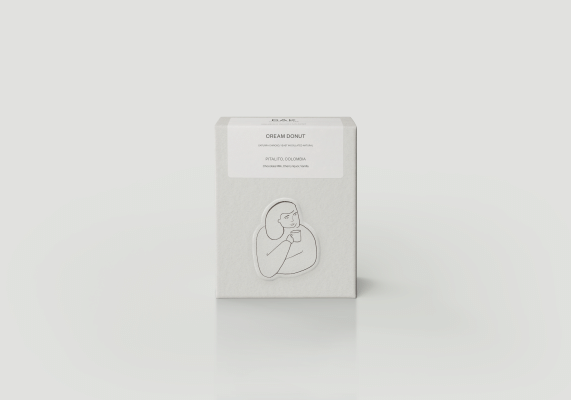
Cream Donut

€21,95
Colombia, Caturra Chiroso, Yeast Inoculated Natural
Cherry Filled Doughnut, Chocolate Milk, Vanilla

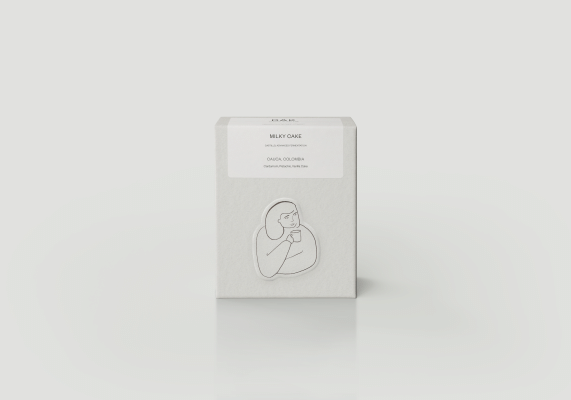
Milky Cake

€21,95
Colombia, Castillo, Advanced Fermentation
Cardamom, Pistachio, Vanilla Cake

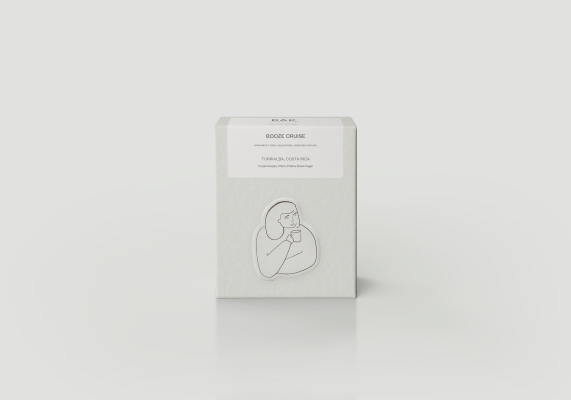
Booze Cruise

€19,90
Costa Rica, Sarchimor T-5296, Sudan Rume, Anaerobic Natural
Cherry Praline, Purple Grapes, Brown Sugar

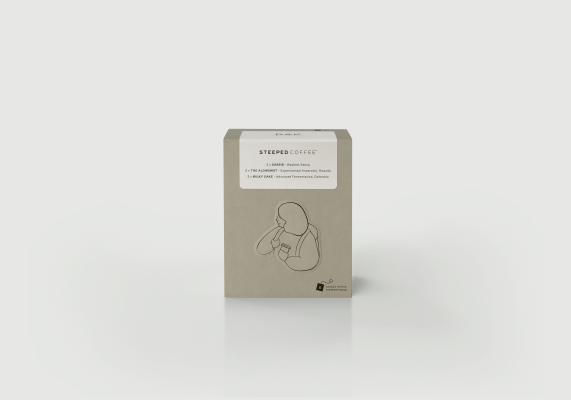
Steeped

€14,95
Colombia, Kenya, Rwanda, Mixed
Various

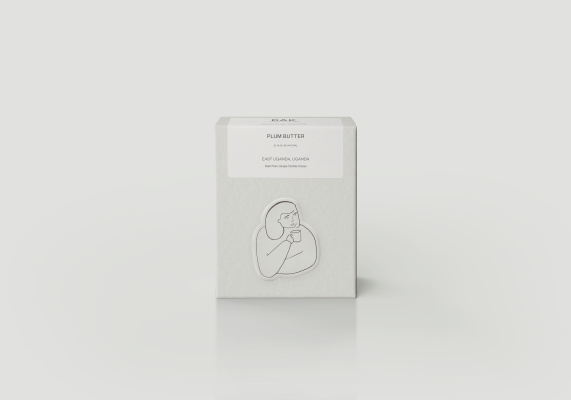
Plum Butter

€16,00
Uganda, SL-14, SL-28, Natural
Cacao, Dark Plum, Grape Cordial

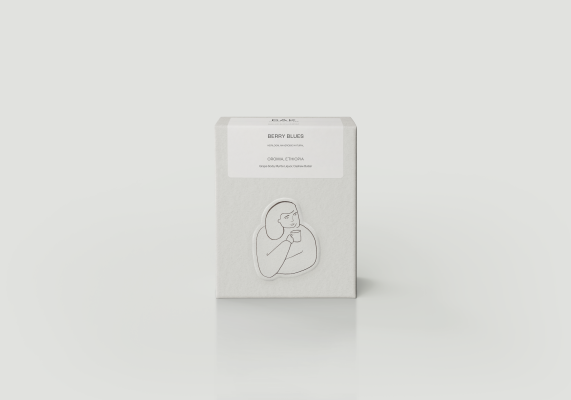
Berry Blues

€24,95
Ethiopia, Heirloom, Anaerobic Natural
Cashew Butter, Grape Soda, Myrtle Liquor

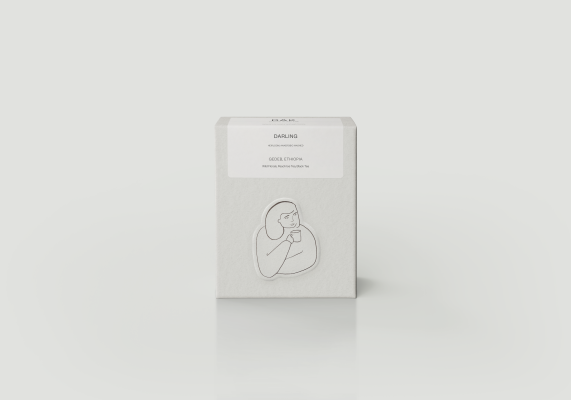
Darling

€18,95
Ethiopia, Heirloom, Anaerobic Washed
Black Tea, Peach Iced Tea, Wild Florals

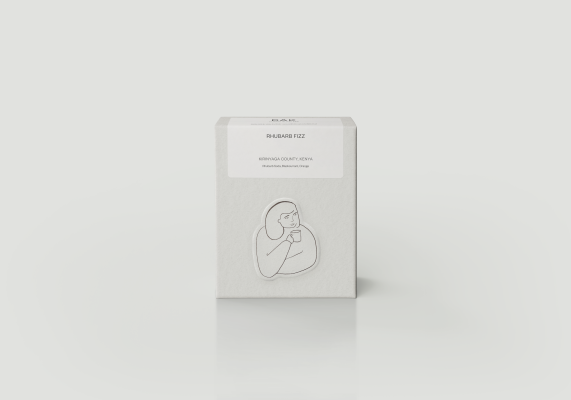
Rhubarb Fizz

€16,90
Kenya, Batian, Ruiru 11, SL-28, SL-34, Washed
Black Currant, Orange, Rhubarb Soda
Previous slide
Next slide

THE DAK BREW GUIDE

These are the recipes we use every day at the roastery and showroom. We keep them simple on purpose: water, ratio, grind size. The coffee does most of the work when the basics are right. Every setup is different, so treat these as a starting point. Adjust based on what you're tasting and what your equipment gives you.

General

For most grinders and most bars. Balanced, works black and with milk.

• Ratio: 1:2.5
• Dose: 18 g
• Yield: 45 g
• Brew time: 25 seconds
• Pressure: 9 bars
• Temperature: 93°C

For our roast level 1:2.5 ratio fully extracts, balances and opens the cup without thinning it compared to the classic 1:2.

Modern

Longer ratio, lower pressure, shorter contact. More clarity and acidity.

• Ratio: 1:3
• Dose: 18 g
• Yield: 54 g
• Brew time: 20 seconds
• Pressure: 6 bars
• Temperature: 93°C

A note on equipment: 1:3 relies on a flat burr set capable of a very even grind.
On an E65, E80 or Mythos this ratio often tastes watery. If that happens, pull back to 1:2.5.

Advanced (pressure profiled)
For machines with flow or pressure control. This is the showroom recipe.

• Ratio: 1:3
• Dose: 18 g
• Yield: 54 g
• Total brew time: 30 seconds to 1:00 total
• Pre-infusion at 2 bars (about 1 to 2 g/sec flow rate) until 1g in the cup, 15 to 30 seconds
• Main extraction: 6 bars until 18g yield. (about 5 to 6 g/sec flow rate)
• Post-infusion: 2 bars (about 1 to 2 g/sec flow rate) until 54g final yield
• Temperature 93°C

• Ratio: 1:15
• Dose: 16.5 g
• Water: 250 g
• Brew time: 2:00 minutes to 2:30 minutes
• Temperature: 92°C

Poring structure

Start your timer with the first pour. The weights below are the total water added.

• 0:00 pour to 50g (8 g/sec, medium)
• 0:30 pour to 120g (8 g/sec, medium)
• 1:00 pour to 190g (3 g/sec, very low)
• 1:30 pour to 250g (3 g/sec, very low)

Pouring very slowly keeps the bed open. Let the water draw down to finish the brew.

Water is 98% of your cup, so it changes everything. Mineral content varies between cities, neighbourhoods, and even seasons depending on which reservoir is supplying the tap. If your water is hard (above 150ppm), switch to a soft bottled water around 50ppm. Too soft is always better than too hard. The difference in the cup is immediate.

Ethiopian coffees
Ethiopian beans are more brittle and produce more fines when grinding. Too much agitation during brewing pushes those fines into the filter and slows everything down. Keep agitation low. If the cup still tastes over-extracted or the drawdown stalls, grind coarser and extend the ratio or brew time slightly to compensate.

The look of a shot
Naked portafilters show you what’s happening, but what you see has no reliable connection to what you’ll taste. A messy-looking shot can taste clean, and a photogenic one can taste flat. Taste every shot, even the ones outside your parameters, and adjust from there.

Crema
Crema is gas escaping coffee under pressure. It carries very few desirable flavour compounds and can actually taste harsh. Removing it will almost always improve the cup. With light roast espresso especially, ignore the crema and focus on what’s in the liquid.

Freezing coffee
Freezing keeps coffee at peak flavour, but roasted coffee can’t be thawed and refrozen without losing quality. Vacuum-seal in single doses before freezing. When you’re ready to brew, grind it frozen. Don’t let it thaw first. Every grinder handles frozen beans without issue, and the results are often better. One dose out, the rest stays sealed.

Long ratio (for harder extraction)
For when extraction is more difficult: hard or heavily filtered water, a grinder past its best, or a dense lot.

1:18 ratio. 14g in, 250g out. 2:30 to 3:00. 97°C.
• 0:00 pour to 45g
• 0:30 pour to 90g
• 1:00 pour to 250g

1:20 ratio. 12.5g in, 250g out. 2:15 to 2:45. 97°C.
• 0:00 pour to 40g
• 0:30 pour to 80g
• 1:00 pour to 250g

Adjusting

• If the cup tastes thin, dry or harsh: raise the dose. Move from 15g to 16 or 16.5g at the same 250g yield.
• If espresso tastes watery at 1:3: shorten to 1:2.5 before touching the grind.
• Water: very low or very high TDS shifts everything. Check the water before changing the recipe. If the water cannot be changed, go to the long ratio recipes.